

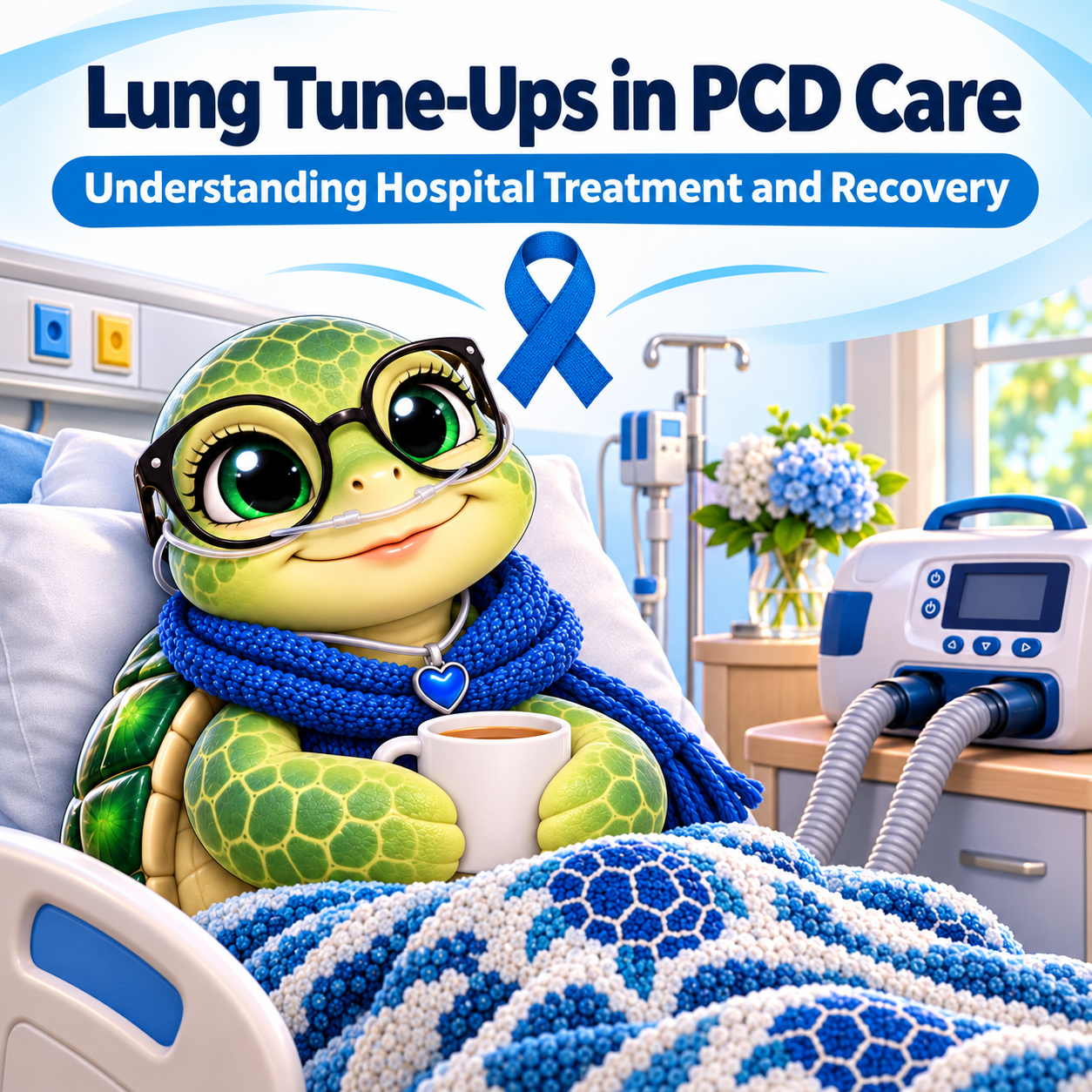

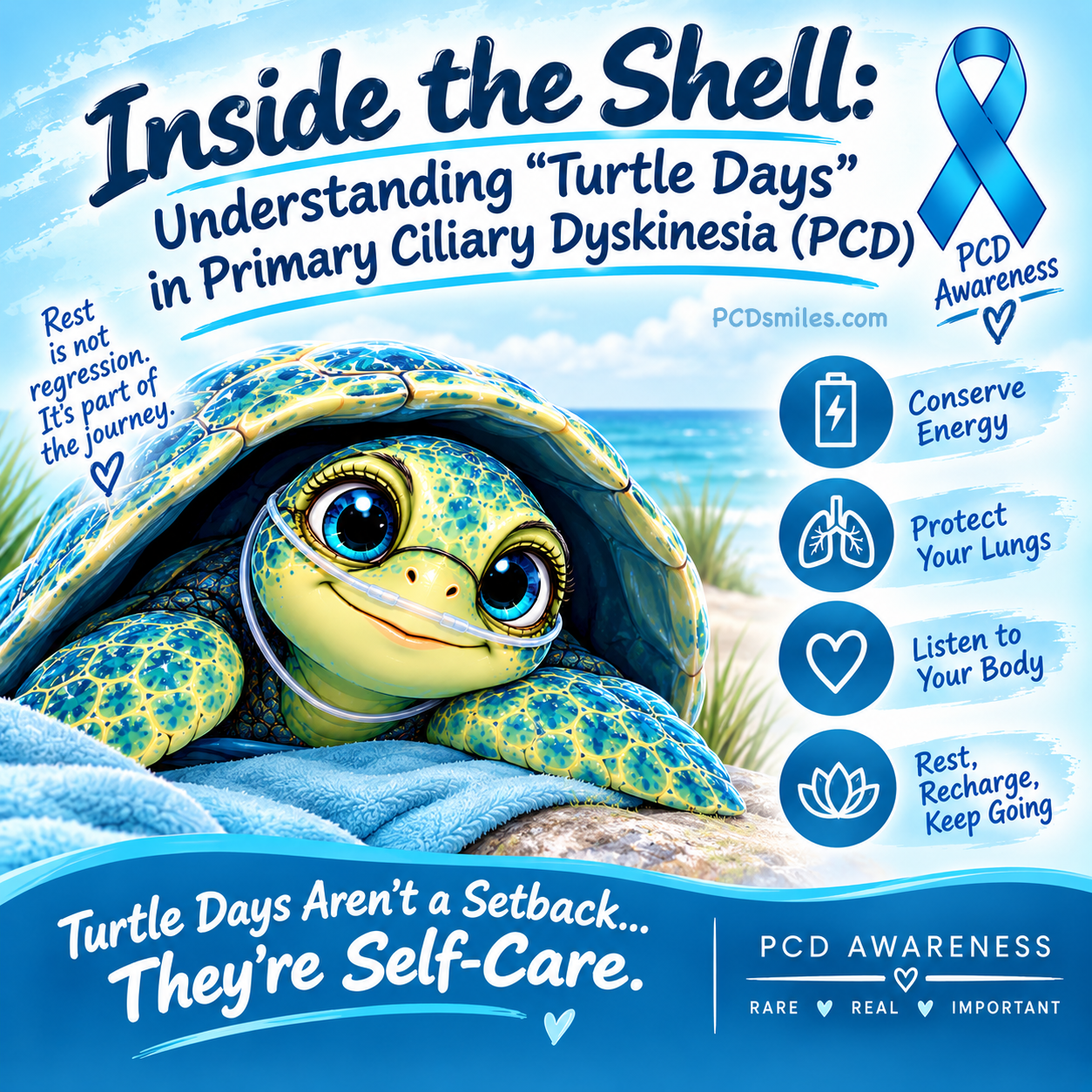
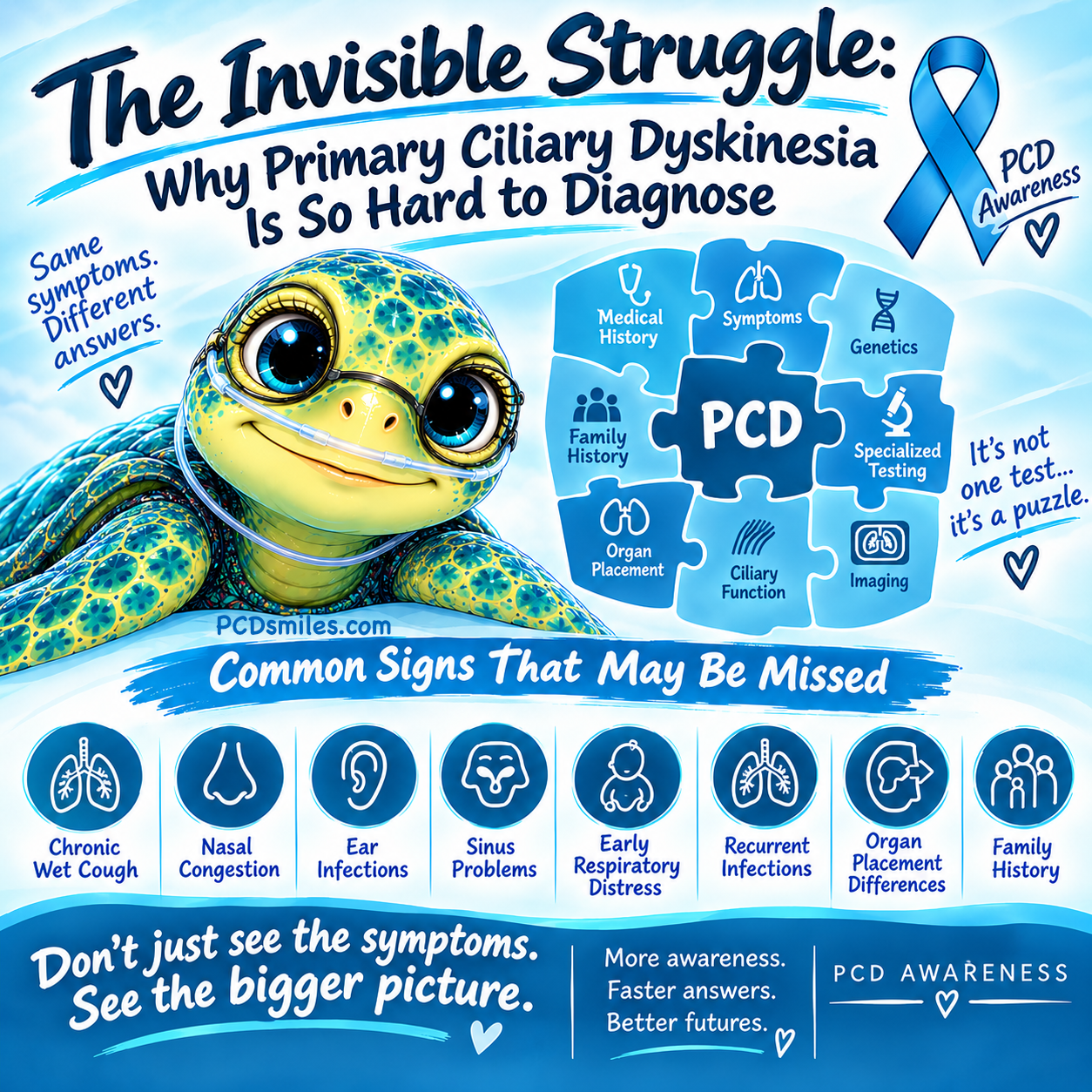
A hospital “lung tune-up” can give a person with primary ciliary dyskinesia (PCD) intensive treatment, close monitoring, and coordinated support when their respiratory health worsens. The right setting depends on the person’s medical needs and the support available—and there is still much researchers need to learn about who benefits most from planned admissions.
For someone living with PCD, an ordinary week can already include airway clearance, medications, equipment cleaning, appointments, and careful attention to changes in symptoms. When a respiratory infection or decline adds to that work, the usual routine may no longer
be enough.
Sometimes, the next step is treatment at home or through a clinic. Sometimes, a hospital stay provides the level of care and observation a person needs. Patients and families may call that stay a lung tune-up.
The phrase can sound straightforward, but people use it to describe several different situations. Understanding those differences can make conversations about treatment, access, and recovery more useful.
A PCD snapshot
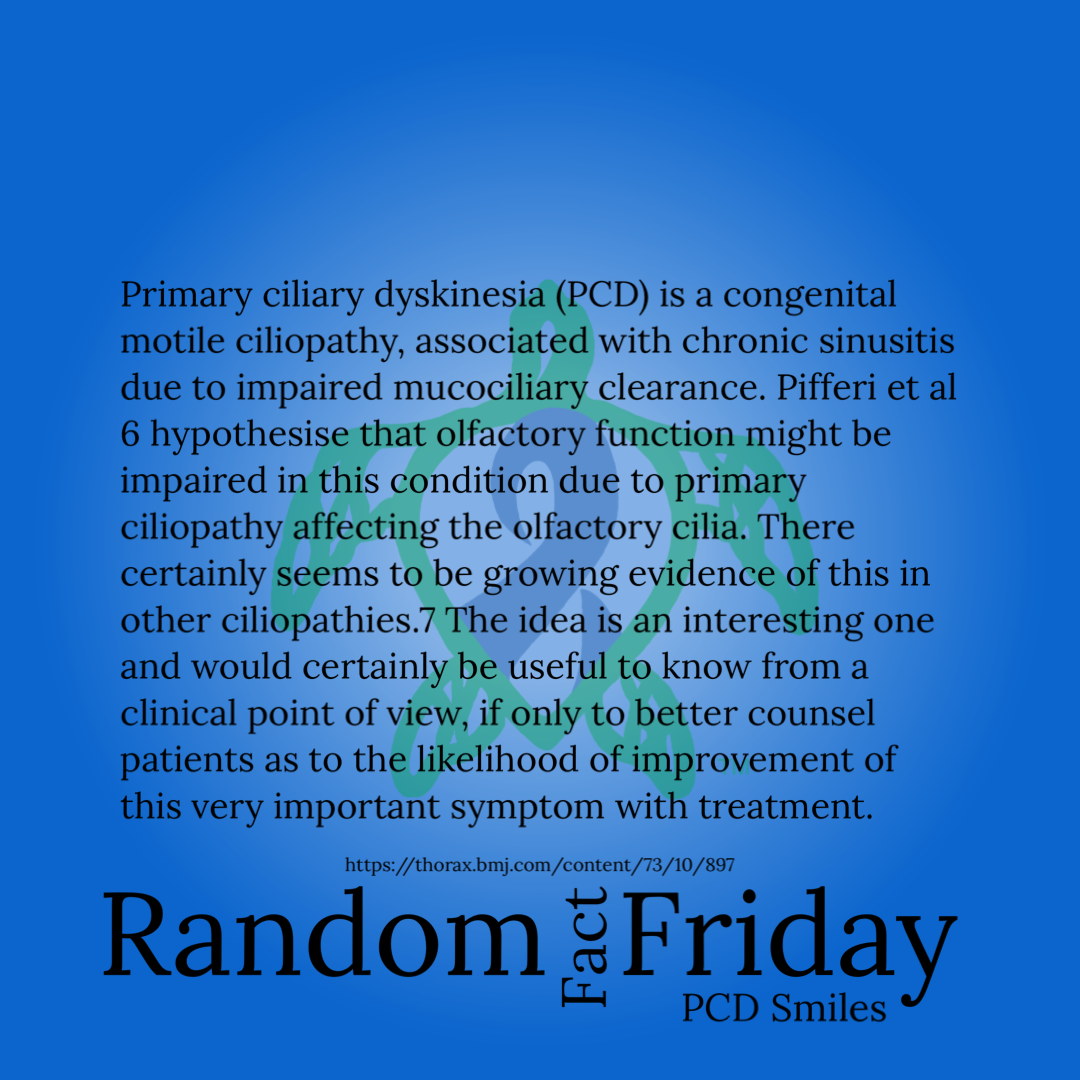
Primary ciliary dyskinesia is a genetic disorder that affects the function of motile cilia—tiny moving structures that help sweep mucus and trapped particles out of the airways.
When the cilia do not work effectively, mucus can be harder to clear. This can contribute to persistent respiratory symptoms, infections, and inflammation. Many people with PCD develop bronchiectasis, a condition in which the airways become damaged and widened. PCD can also affect the sinuses, ears, and other parts of the body.
PCD is a spectrum. Some people experience relatively stable periods with their usual care routines, while others face frequent exacerbations, more extensive lung disease, or difficulty recovering after illness. A person’s needs can change over time.
What is a lung tune-up?
“Lung tune-up” is an informal phrase, not a single medical diagnosis or a standardized treatment plan. It may refer to an admission for a serious respiratory exacerbation, a planned stay to investigate an ongoing decline, or treatment scheduled at regular intervals.
A pulmonary exacerbation is a worsening of respiratory health beyond a person’s usual baseline. Depending on the person, signs might include a change in cough or mucus, increased shortness of breath, more fatigue, reduced ability to participate in everyday activities, or other changes their care team recognizes as significant.
An exacerbation may need hospital care when a person is substantially unwell, needs close monitoring, has not improved with outpatient treatment, or cannot safely receive the necessary care at home.
A planned admission can also address an existing problem. For example, someone may have experienced repeated infections, a sustained decline in lung function, or incomplete recovery after previous treatment. The fact that an admission is arranged in advance does not mean there is no medical need.
A different question is whether people who are stable should be admitted at fixed intervals to prevent future decline. That approach has not been adequately studied in PCD, and there is not enough evidence to say it benefits everyone.
What might happen during a hospital stay?
There is no one-size-fits-all tune-up. The care team builds a plan around the reason for admission, the person’s health, and their response to treatment.
Depending on individual needs, a stay may include:
- Assessment of symptoms, recent illnesses, and changes from the person’s usual baseline.
- Respiratory samples and review of previous culture results.
- Intravenous antibiotics when appropriate.
- Increased or adjusted airway clearance with clinical support.
- Monitoring of breathing, oxygen needs, hydration, and medication effects.
- Lung function testing when appropriate and feasible.
- Nutrition assessment, equipment review, and discharge planning.
A stay can also give the team time to look for reasons someone is not recovering as expected. Those reasons may include complications, medication side effects, nutritional difficulties, another health condition, or barriers that make the home plan hard to carry out.
Not every admission includes intravenous antibiotics, and not every course of intravenous antibiotics requires a hospital stay. The question is what the person needs and where those needs can be met safely.
Why might hospital care help?
When someone is significantly ill, hospital care can bring several kinds of support together. A person may need treatment for an infection while also needing help with airway clearance, hydration, nutrition, or monitoring.
A hospital stay can allow the team to reassess the person frequently and respond if their condition changes. Respiratory therapists and other clinicians may also have an opportunity to review airway-clearance techniques, equipment, and the plan for returning home.
For some patients, this support makes a demanding period more manageable. It does not mean the person’s home routine failed. An exacerbation can happen even when someone follows their treatment plan carefully.
At the same time, the potential advantages of coordinated hospital care do not prove that every part of a tune-up improves long-term outcomes. More PCD-specific research is needed to understand which combinations of care help different patients and how those benefits compare across settings.
What does the research tell us about recovery?
Small studies of children with PCD who received intravenous antibiotics for pulmonary exacerbations offer useful information about recovery, but they do not answer every question about tune-ups.
In one study, many children recovered to near their previous lung function after treatment, while some had not done so within the study’s follow-up period. Another study found that much of the measured lung function improvement during intravenous treatment occurred in the first week. PubMed
These findings matter because they show why follow-up and reassessment are important. They also have limits. The studies involved children, and their results cannot automatically predict what will happen for every child or adult with PCD. They also do not establish whether antibiotics, airway clearance, other parts of care, or the hospital setting itself caused a particular improvement.
Just as importantly, improvement after treatment does not prove that regularly scheduled hospital admissions prevent future lung damage. Researchers still need to study that question.
Can a tune-up prevent bronchiectasis?
That has not been established.
The reasoning behind the question makes sense: if retained mucus and infections contribute to inflammation and airway damage, then treating respiratory problems and supporting mucus clearance may be important parts of protecting lung health.
But a reasonable explanation is not the same as proof that a particular hospital admission will prevent bronchiectasis or stop it from progressing. Researchers still need to determine which treatments make a lasting difference, which people benefit, and whether the setting of care changes long-term outcomes.
PCD care aims to protect lung health while responding to the person’s present needs. It cannot promise the same course or outcome for everyone.
Hospital, home, or a combination?
Some people can safely receive intensive treatment at home or through outpatient services. Others need to remain in the hospital, at least for part of their care. A plan may also involve starting treatment in the hospital and continuing it at home when the patient and care team consider that appropriate.
Each setting has potential benefits and burdens.
Hospital care may offer close monitoring and access to a range of clinicians. It can also disrupt sleep, school, work, family life, and established routines. Hospital stays may bring costs, treatment side effects, and exposure to healthcare-associated infections.
Home care may allow a person to remain in familiar surroundings and maintain parts of daily life. But it can also transfer a substantial amount of work to the patient or family. Depending on the plan, that work may include coordinating medication deliveries, managing supplies, attending laboratory appointments, arranging nursing visits, and watching for problems.
Home treatment requires more than a place to receive medication. It may also require reliable clinical support, monitoring, equipment, transportation, and a clear way to reach the care team.
A helpful question is:
What will this treatment plan require from me and my household, and is that manageable with the support available?
If the answer is no, that is important information for the care team. It is a reason to discuss additional support or another setting—not a measure of the patient’s motivation.
When might a hospital stay be especially important?
The decision should be made with qualified healthcare professionals who know the person’s baseline and current circumstances. Hospital care may be considered when someone has:
- Severe or worsening breathing difficulty.
- A new or increased oxygen requirement.
- A significant decline in lung function or everyday functioning.
- Symptoms that are not improving adequately with outpatient treatment.
- A need for monitoring or treatment that cannot be provided safely at home.
- Difficulty maintaining hydration or nutrition during illness.
- A complicated clinical situation that needs coordinated assessment.
A person does not have to appear critically ill for a change in their health to deserve attention. Conversely, having PCD alone does not mean that every exacerbation or treatment course requires admission.
Current PCD care recommendations emphasize prompt recognition and treatment of exacerbations and individualized care. European Respiratory Society
Are lung tune-ups disappearing?
Some patients and families report that inpatient tune-ups have become harder to obtain. Those experiences deserve to be heard and investigated.
At the same time, the PCD-specific evidence discussed in the paper does not establish that tune-ups are disappearing across the United States or identify a single reason for any changes in access.
Decisions may involve medical judgment, the availability of home or outpatient services, hospital resources, insurance requirements, and local practice. Their influence may differ from one patient or community to another.
When an admission is declined, patients and families deserve a clear explanation of the decision and a practical alternative plan. That plan should include how recovery will be monitored and what will happen if the person does not improve.
Questions to bring to the care team
If you or a family member is considering a tune-up—or if hospital care has been declined—these questions can help move the conversation toward a shared plan:
- What changes from my usual baseline are most concerning?
- What is the goal of treatment, and how will we know whether it is working?
- What care would be available in the hospital?
- Can the same necessary treatment and monitoring be provided safely at home in my circumstances?
- Who will monitor medication effects and my response to treatment?
- What should I do if I am not improving or if I get worse?
- If I have not returned to my usual level of health, when will we reassess the plan?
- If insurance or access is a concern, can a social worker, case manager, or patient advocate help?
It can also help to describe what happened during previous admissions: what improved, whether you returned to your usual activities, and how long any improvement lasted. Your experience is valuable information for the discussion, even though a past response cannot guarantee the same result next time.
The question is bigger than the name
A “tune-up” may mean different things to different people. What matters most is the medical problem behind the phrase and the plan to address it.
For one person, a hospital stay may provide necessary monitoring and coordinated treatment. For another, a well-supported home or outpatient plan may be appropriate. For many, the best approach may change over time.
The key message: People with PCD deserve timely, individualized care, a clear explanation of their options, and a realistic plan for recovery—wherever treatment takes place.
Sources
- PCD Foundation consensus recommendations for diagnosis, monitoring, and treatment
- Primary ciliary dyskinesia: a national expert consensus statement on standards of care
- Recovery of baseline lung function after pulmonary exacerbation in children with PCD
- Treatment response to pulmonary exacerbation in primary ciliary dyskinesia
Be sure to join us next week for another conversation about primary ciliary dyskinesia.
Join our Facebook group Turtle Talk Café today.
We have several ways that you can donate to PCD Smiles;
- Visit Smile E. Turtle's Amazon Wishlist
- For more information on how you can donate, please visit our "Donation" page to check out our "Do & Don't policies.
- Or sponsor a PCD Smiles cheer package today!
- To shop for your “Official” turtle care ribbon gear today, visit PCD Style
Thank you for your consideration!
Medical Disclaimer
This article is for educational and awareness purposes only and is not a substitute for professional medical advice, diagnosis, or treatment. PCD and treatment needs vary from person to person. Consult your PCD specialist or another qualified healthcare professional about your individual circumstances. Do not start, stop, or change medications, oxygen, devices, or airway-clearance treatments based on this article. Seek urgent medical attention for severe or rapidly worsening breathing difficulty or another medical emergency.